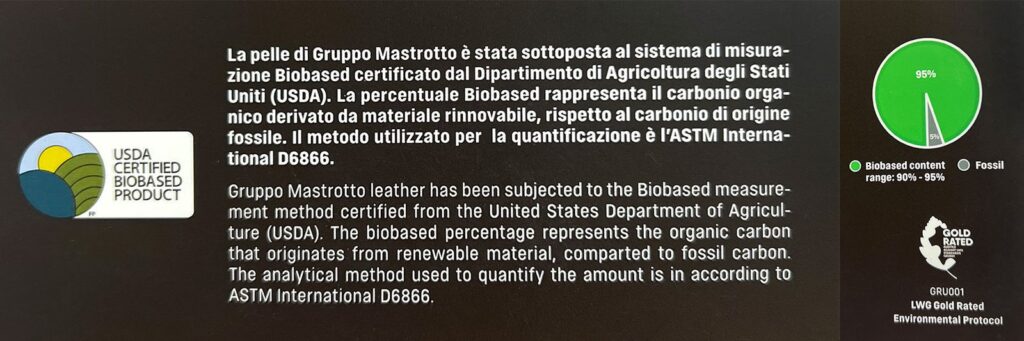
This certification assesses the environmental management of tanneries, including aspects such as water and energy consumption, waste management, chemical use, and traceability.
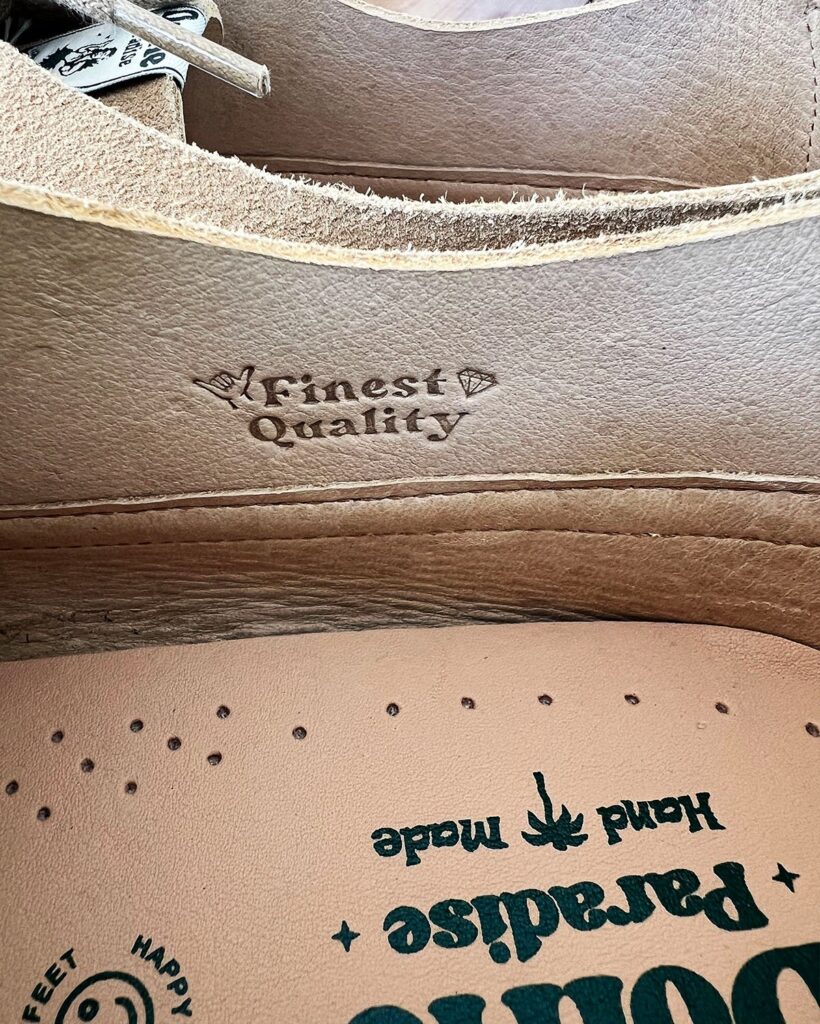
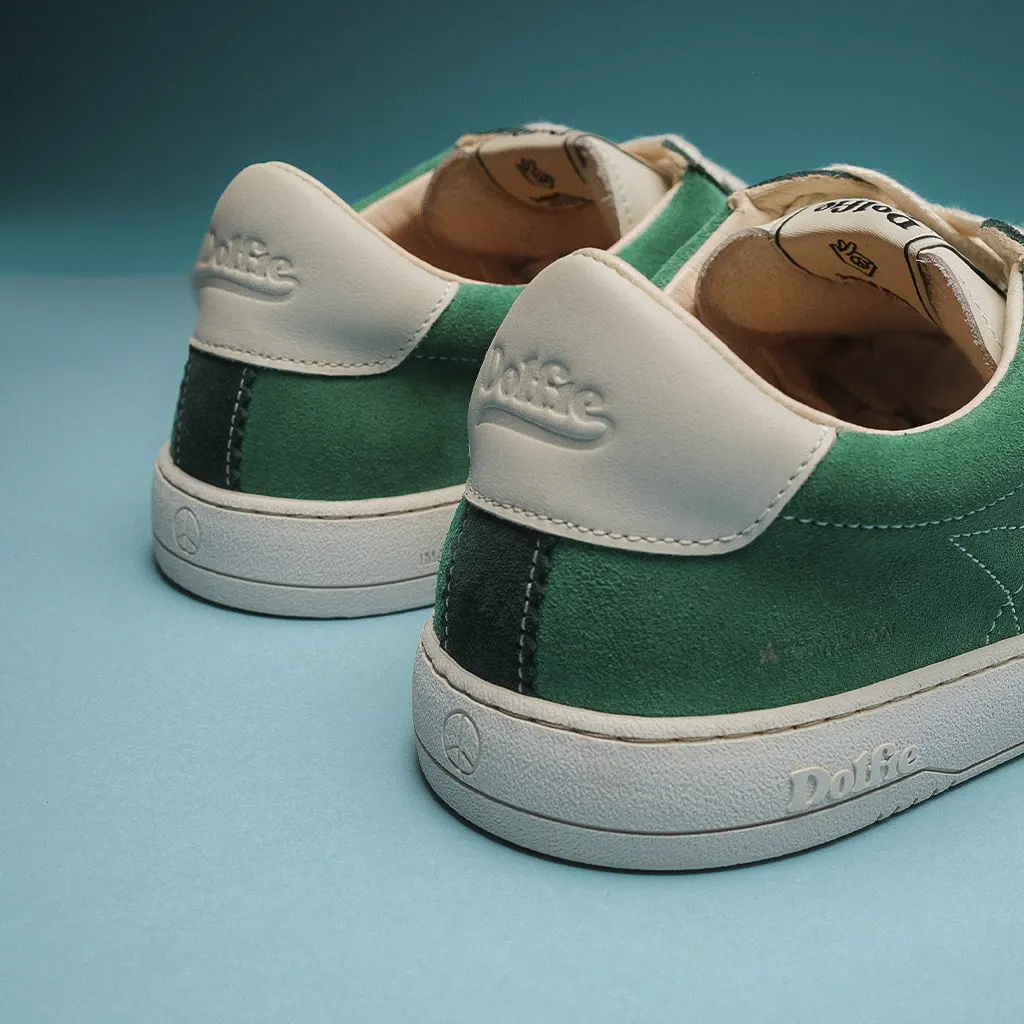
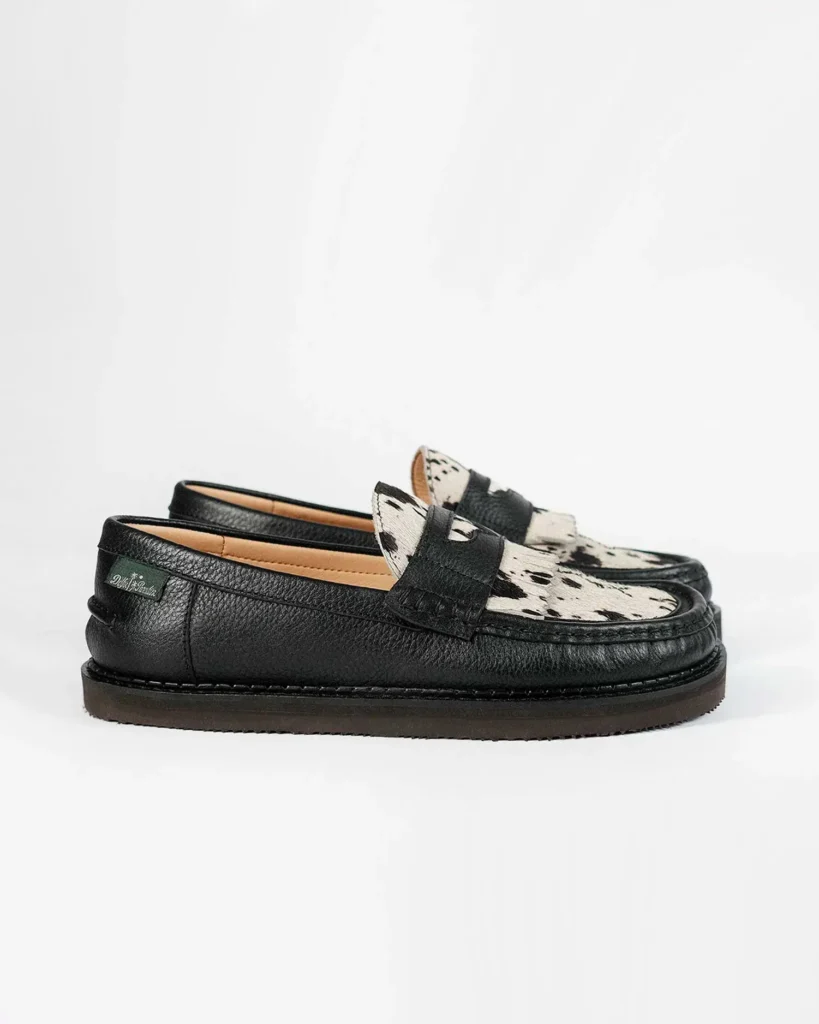
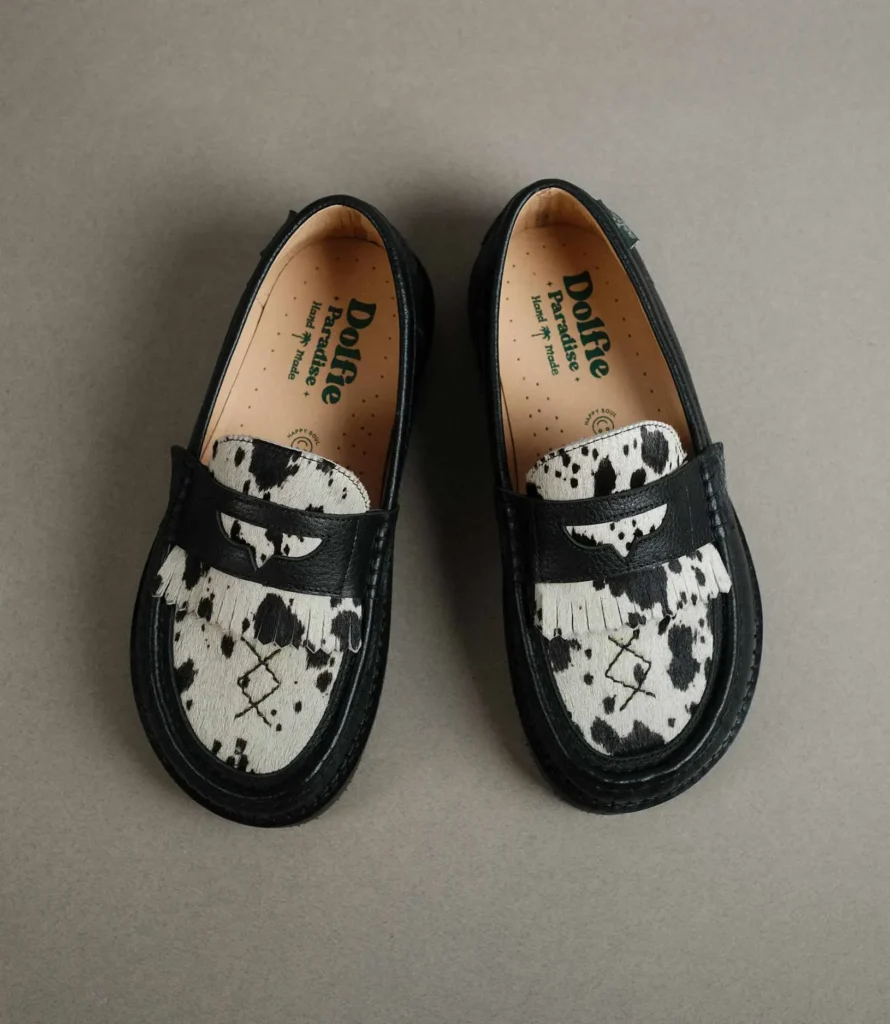
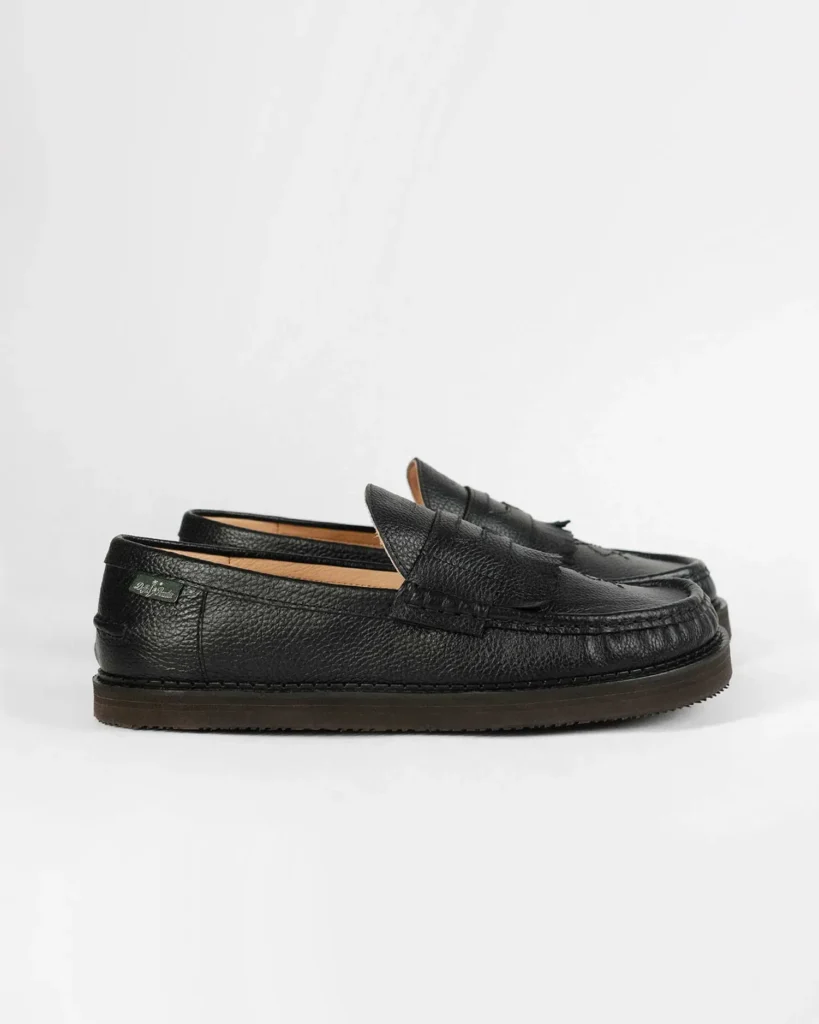
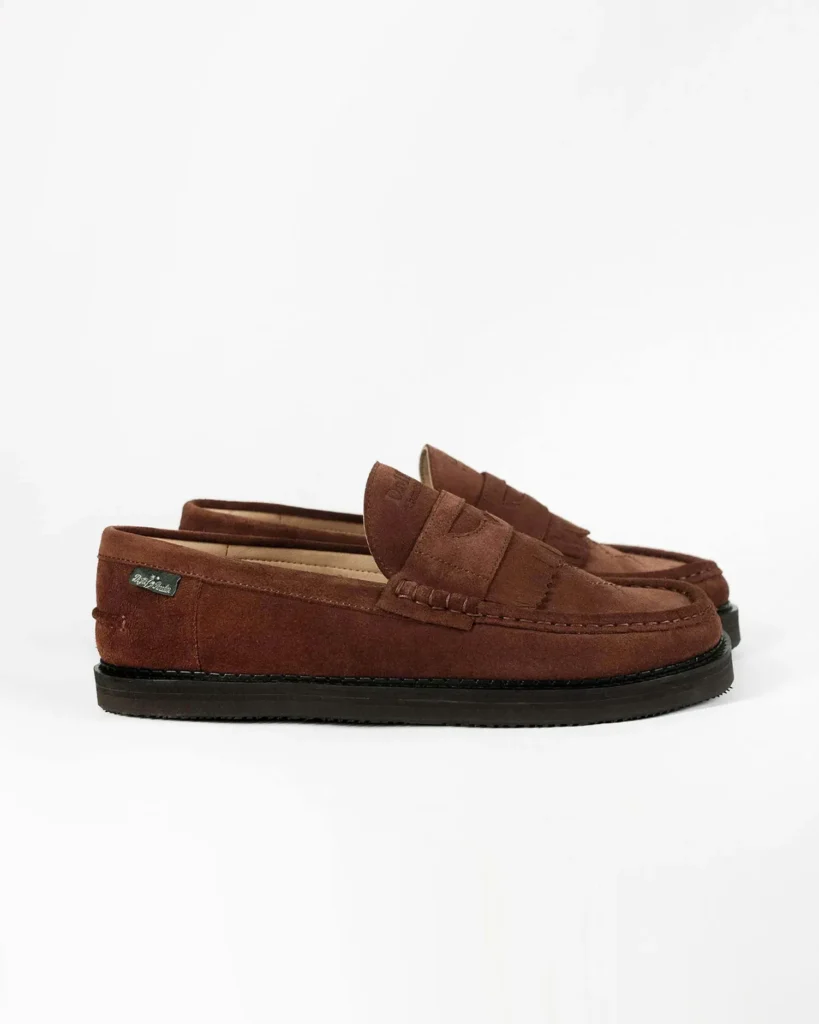
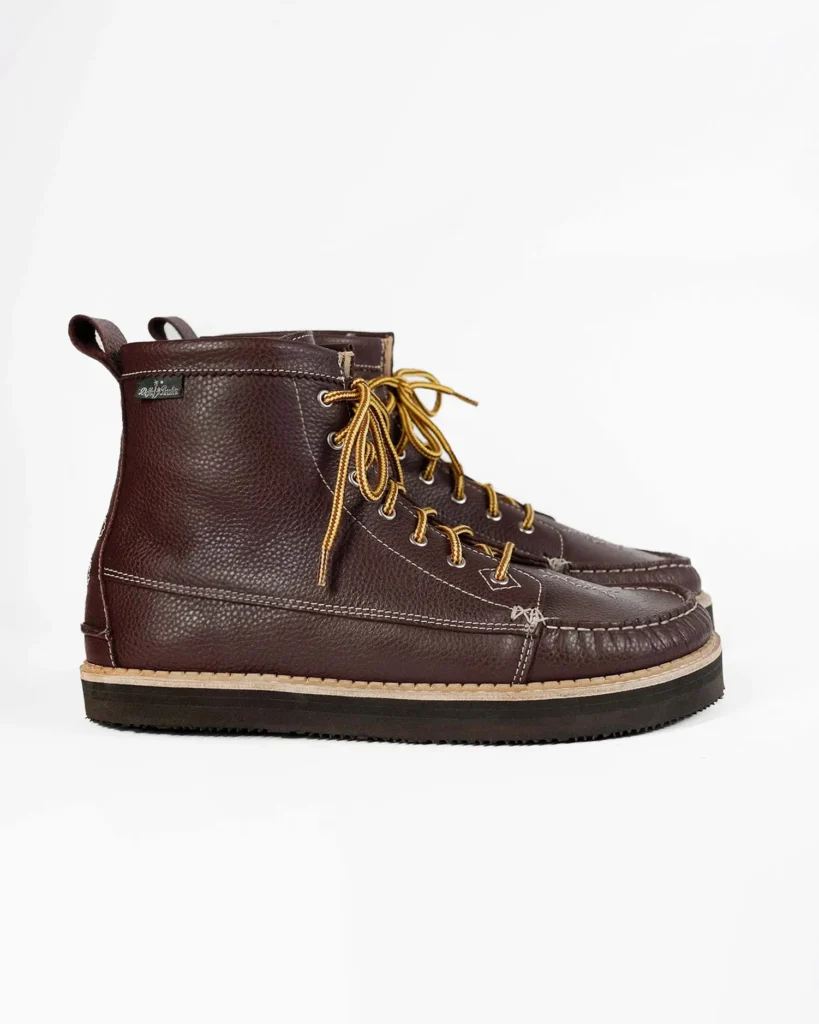
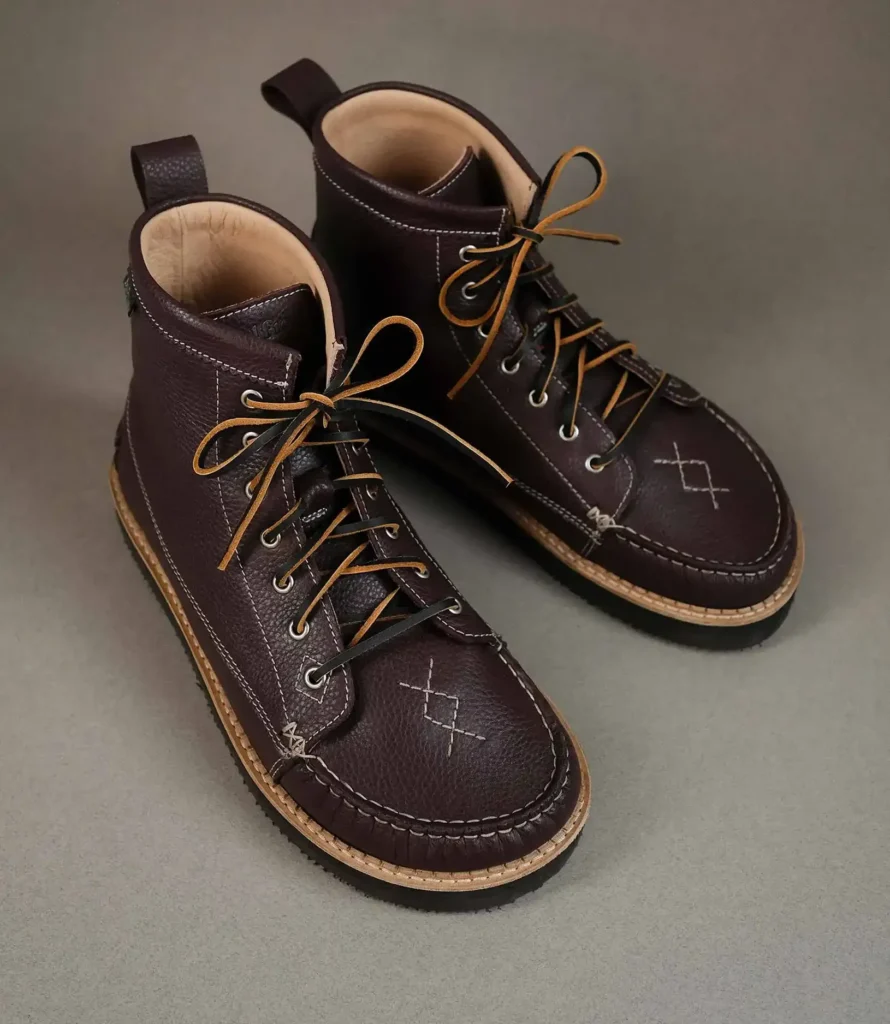
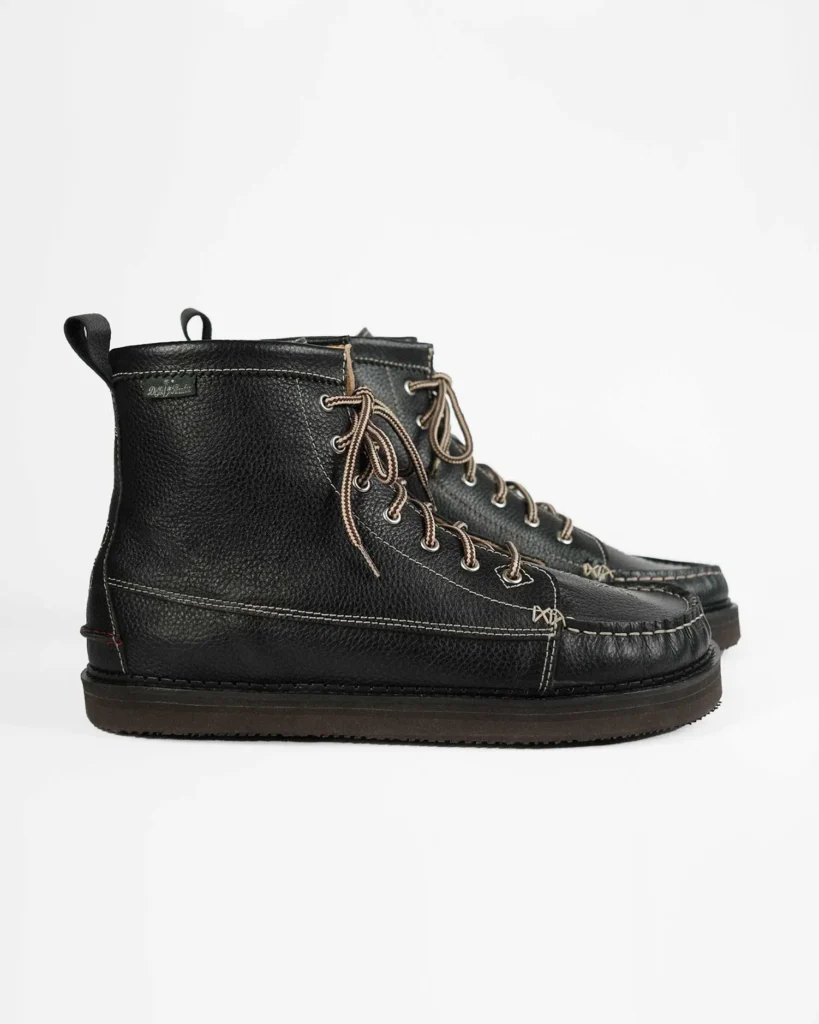
We select each leather for its feel, strength, and ability to age gracefully with use. We believe that durability is also part of a more responsible way of producing: creating less, choosing better, and designing products that can be enjoyed for years.
Leather changes over time. It can develop creases, acquire a patina, and show signs of wear. For us, these characteristics are not defects, but rather part of the material's natural evolution.
Beyond the labels
We don't believe a material is responsible simply because it's called "natural," "vegan," or "eco-friendly." Some plant-based alternatives require synthetic components to achieve the necessary strength and flexibility, so we prefer to know their composition and origin before using them.
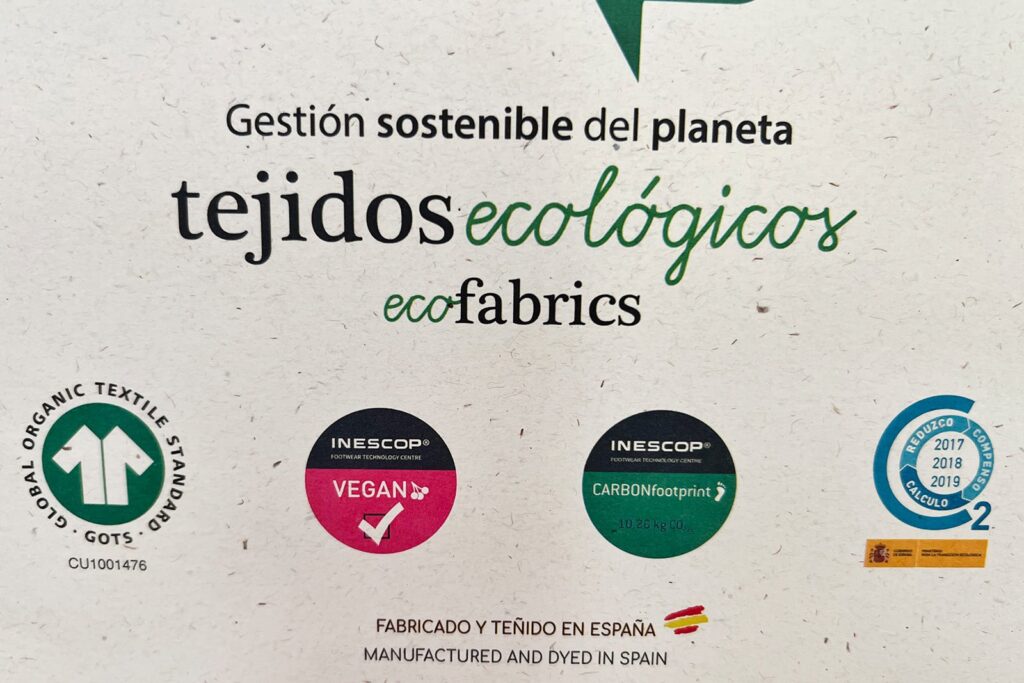
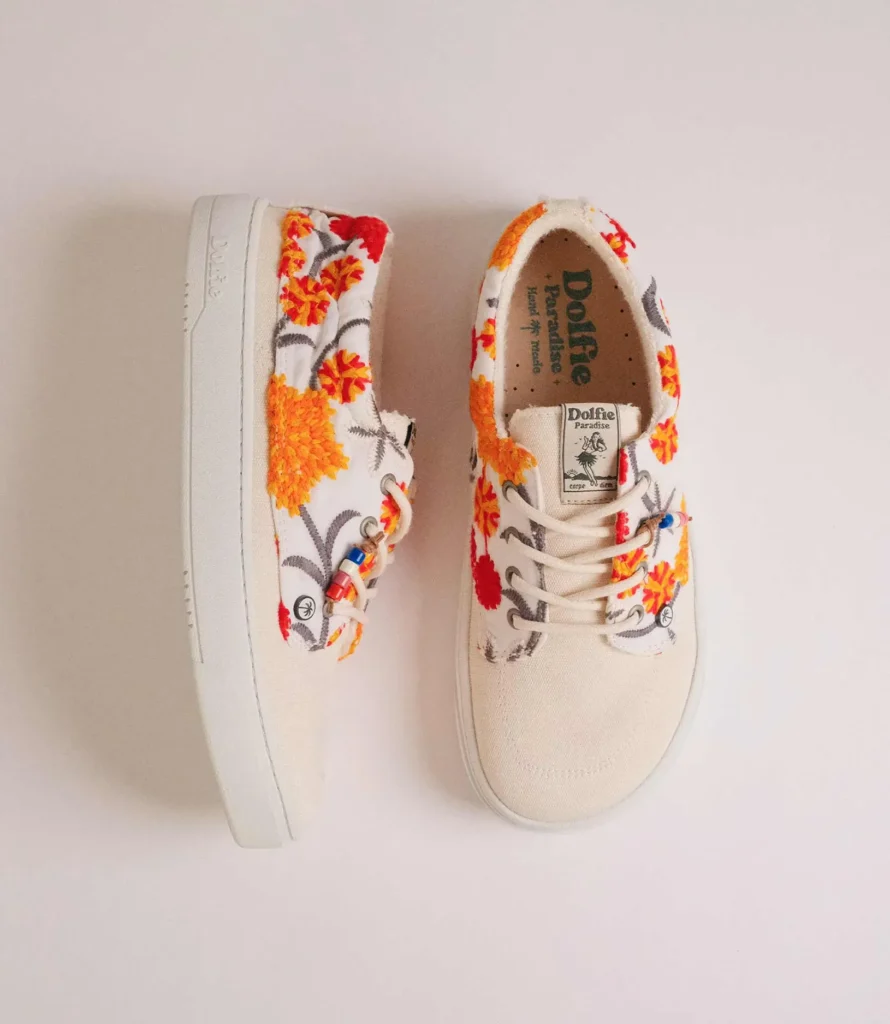
We also explore natural alternatives to leather, working with materials such as hemp, organic cotton, and linen when they are suitable for the design and use of the product.
Our goal is not to advocate for a single option, but to understand each material and choose it consciously, always seeking the best balance between quality, durability, functionality and environmental impact.
Natural materials and other alternatives
We also explore materials of natural origin such as organic cotton, hemp, and linen. We value their renewable origin and qualities, but we carefully study their composition, manufacturing process, and durability before using them.
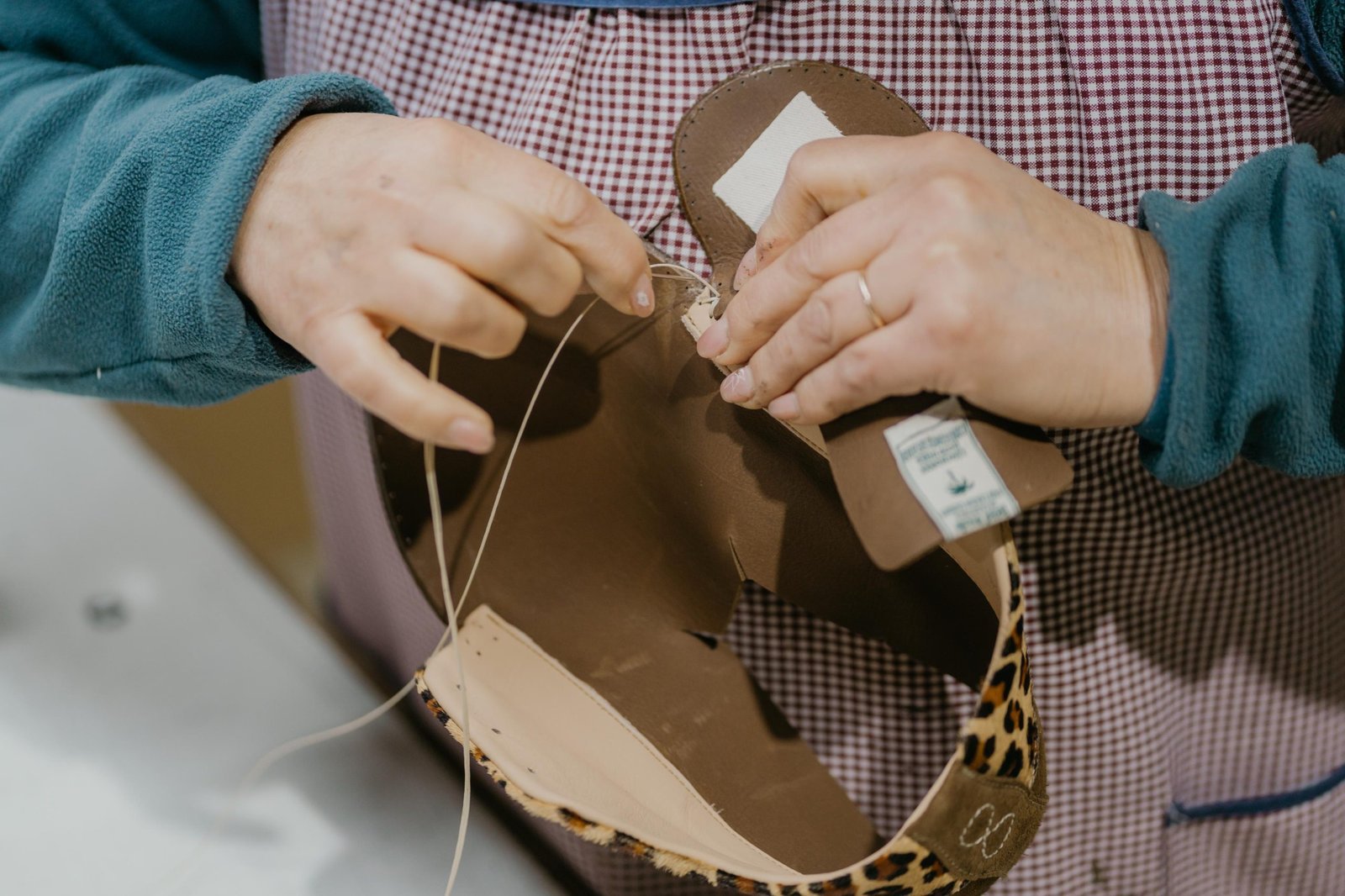
In some components we also use vegetable-tanned leather, a process that utilizes plant-based tannins. Its durability, ability to age gracefully, and long lifespan make it a particularly valuable option compared to certain synthetic materials.
We don't believe there is a single perfect material. That's why we analyze each option individually and choose the one that offers the best balance between origin, quality, functionality, durability, and environmental impact.
For us, it's not about championing a single material or relying solely on labels. It's about understanding its origin and composition, working with trusted suppliers, and choosing each material for the right reasons.
We will continue learning, questioning, and seeking new ways to improve. Because creating better products also means making more conscious decisions at every stage of the process.