Care and cleaning
SKIN CARE
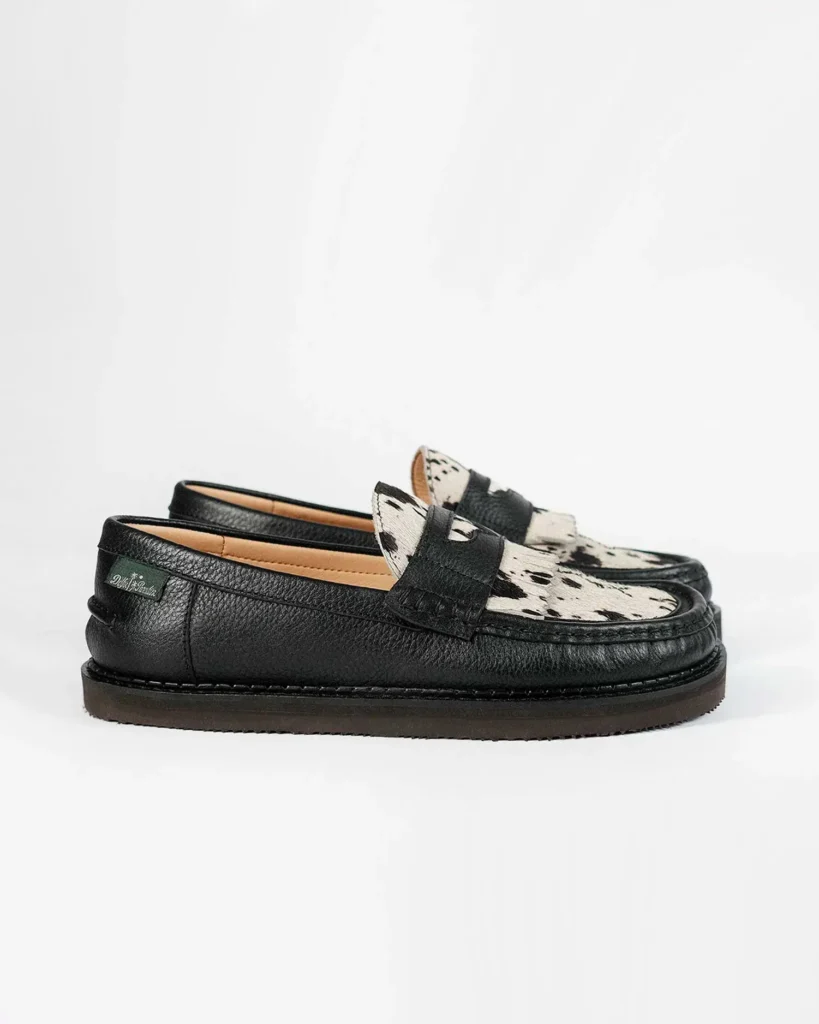
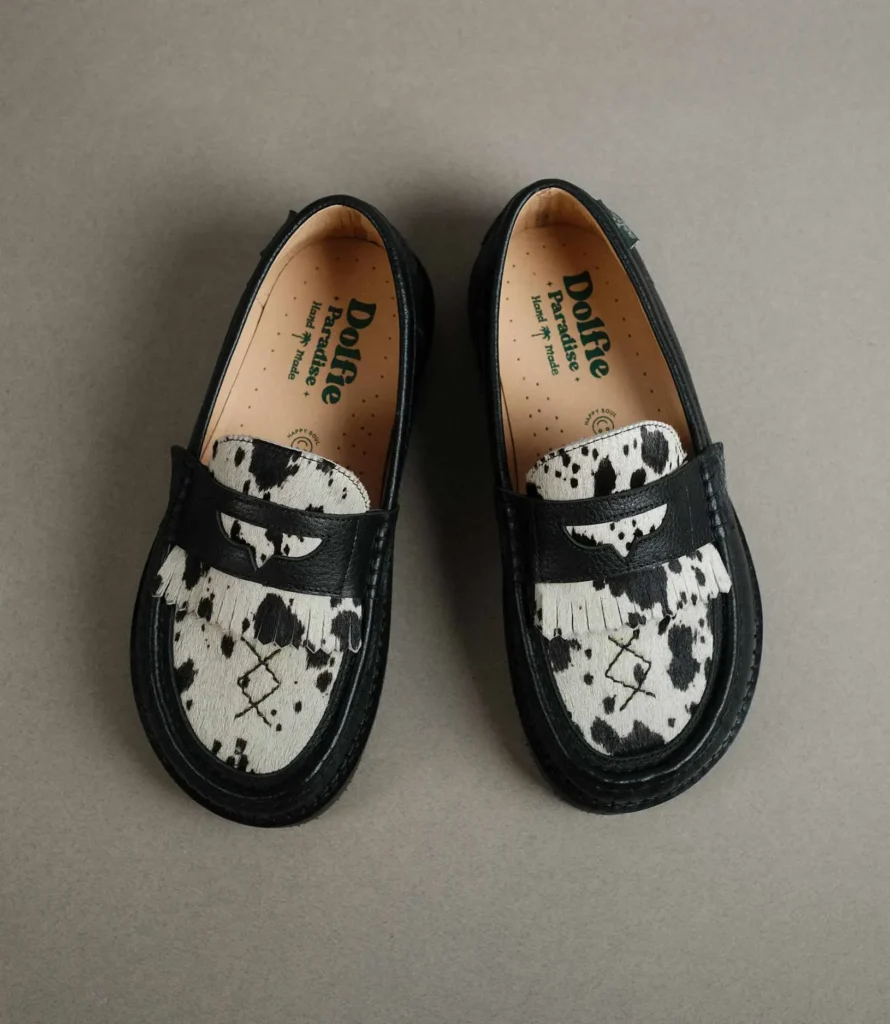
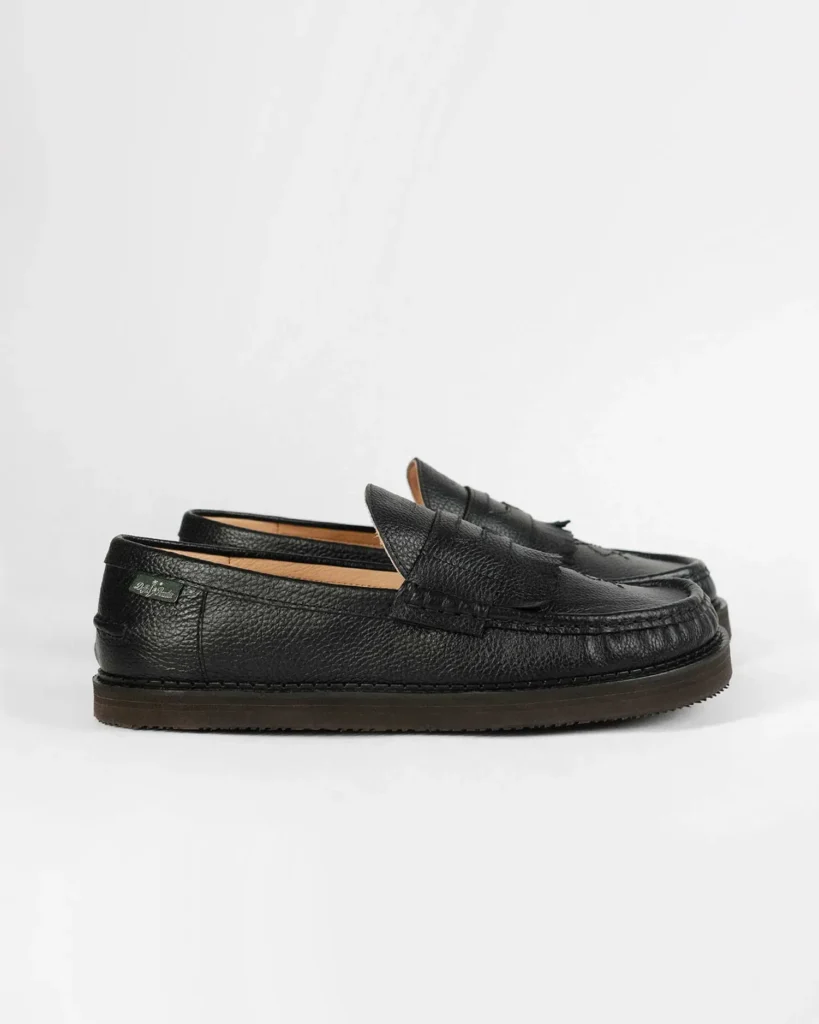
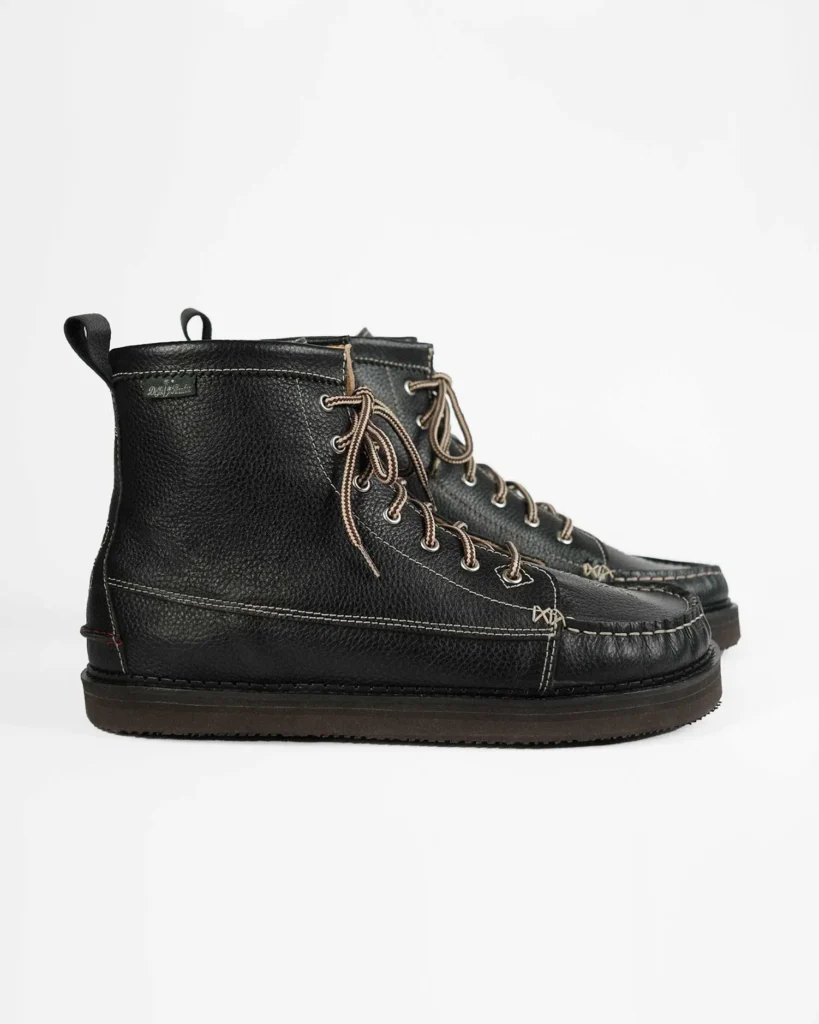
Natural leather changes with use and may develop slight variations in tone and texture over time. Regular care will help keep it supple and in good condition.
For regular cleaning, first remove dust and surface dirt with a soft, dry cloth. If additional cleaning is needed, use a slightly damp cloth and clean gently, without soaking the skin.
For a deeper cleanse, use a product specifically formulated for natural skin. Always follow the manufacturer's instructions and test it first on an inconspicuous area, especially on fair or dark skin tones.
Occasionally, apply a small amount of skin-specific cream or conditioner to help keep your skin hydrated and supple. Avoid applying too much product, as this can alter the finish or color.
After cleaning, always allow to air dry at room temperature. Do not use hair dryers, radiators, or other direct heat sources, as these can dry out or deform the leather.
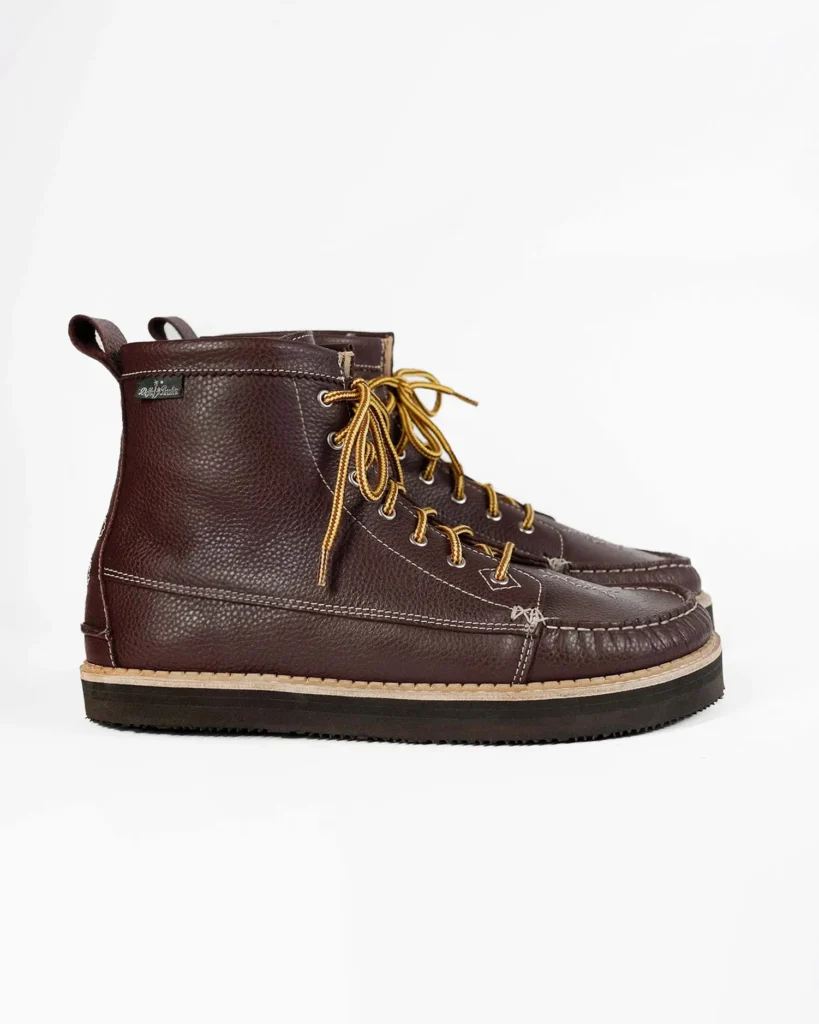
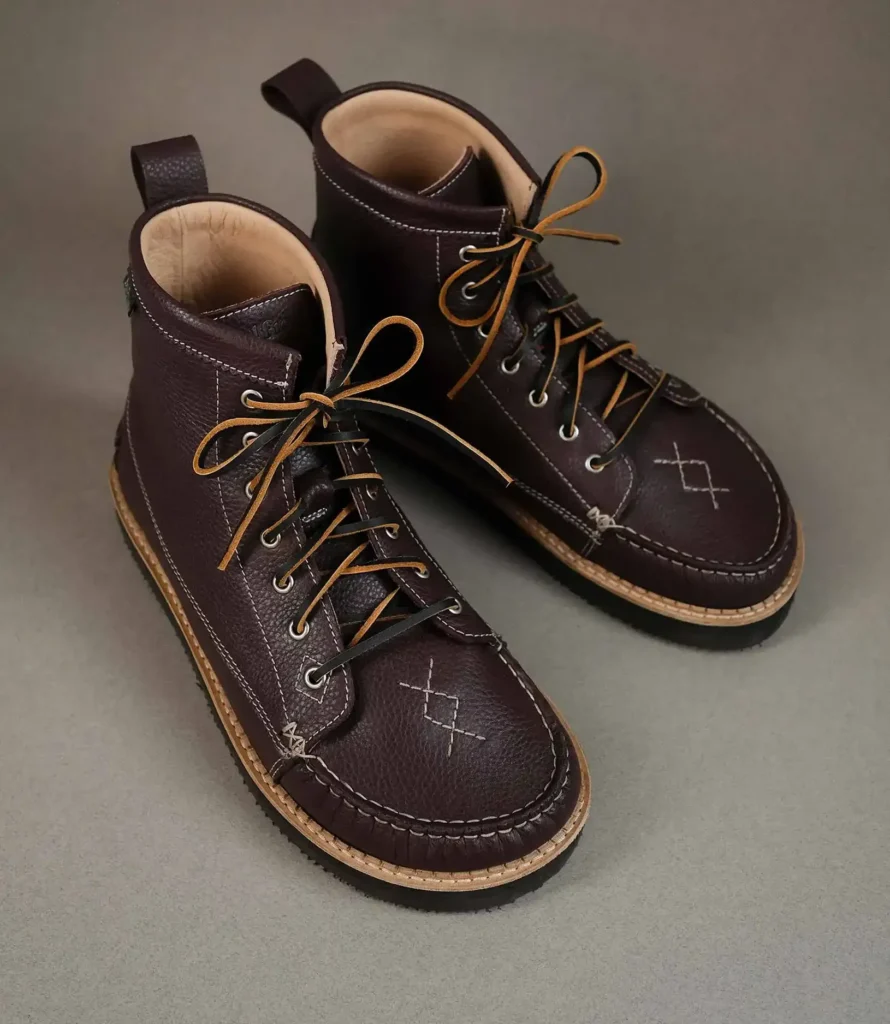
If your shoes get very wet, remove the laces and let them dry slowly. You can place clean, absorbent paper inside to help remove moisture and maintain their shape.
CARE OF THE SUNGLASS
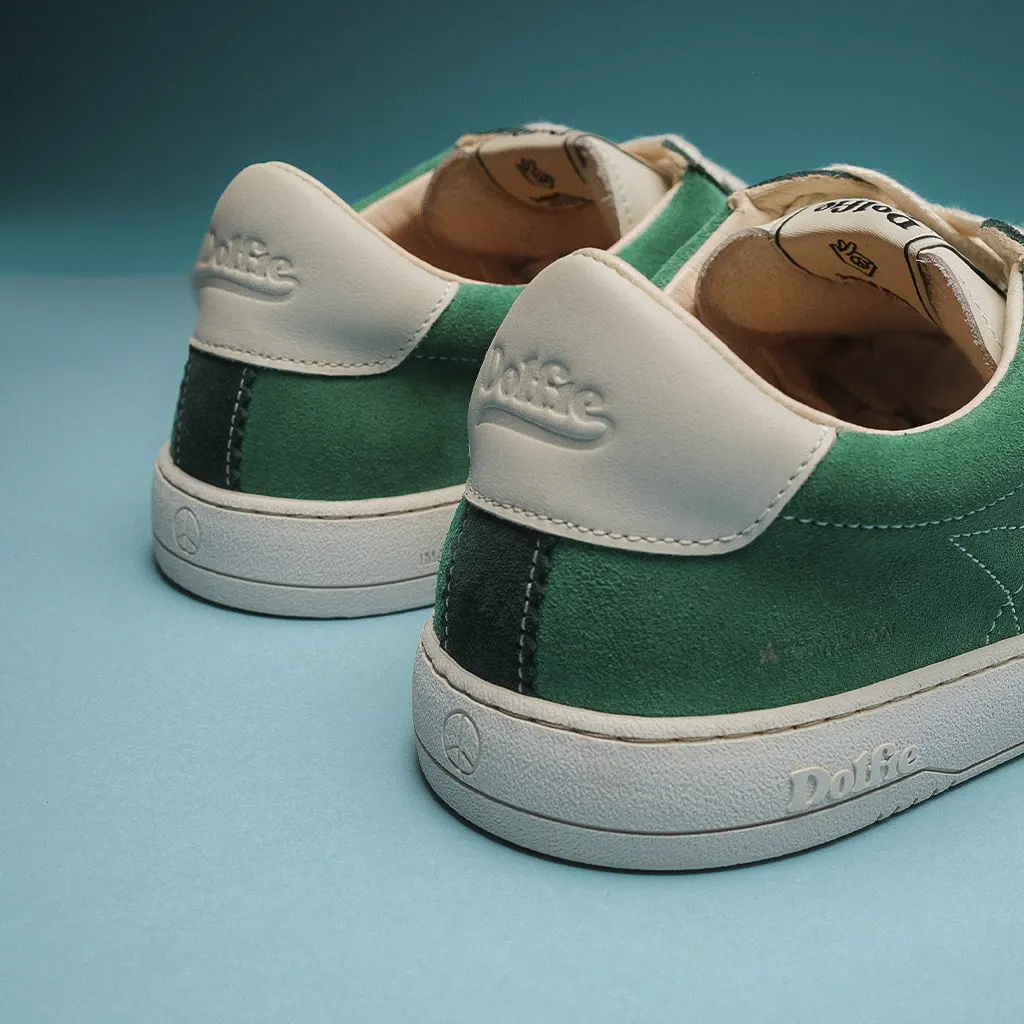
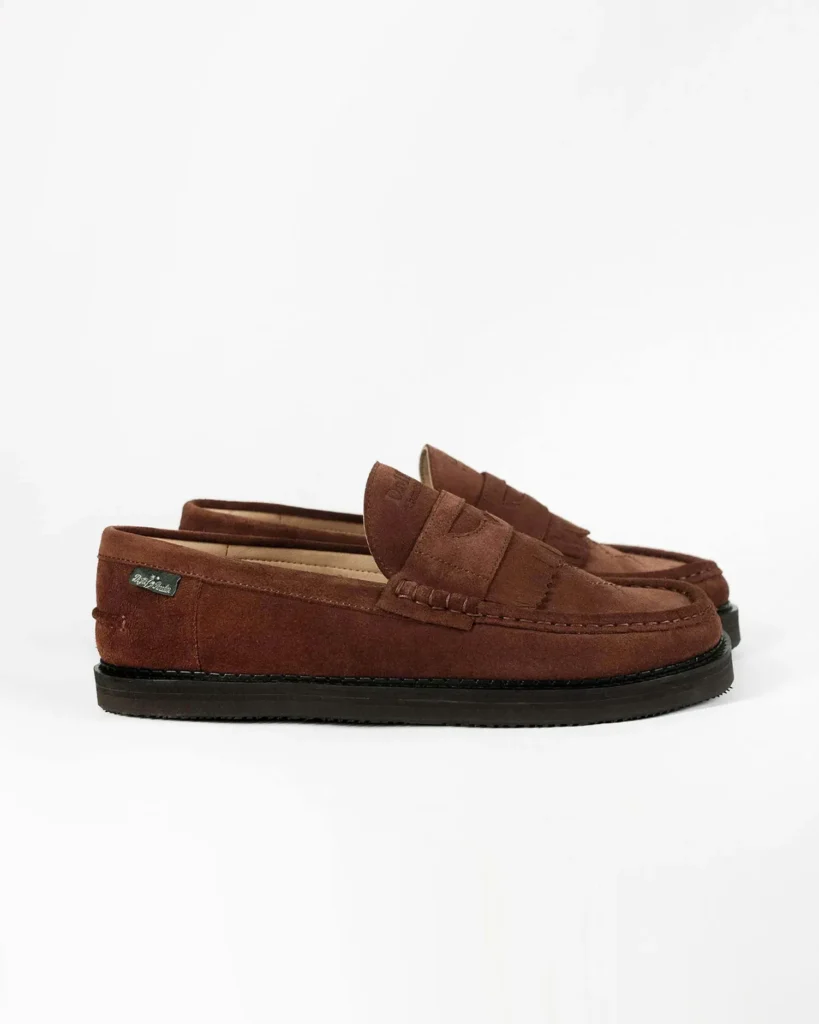
Suede and nubuck require different care than smooth leather. Their surface is more delicate and can be marked more easily, especially in light colors.
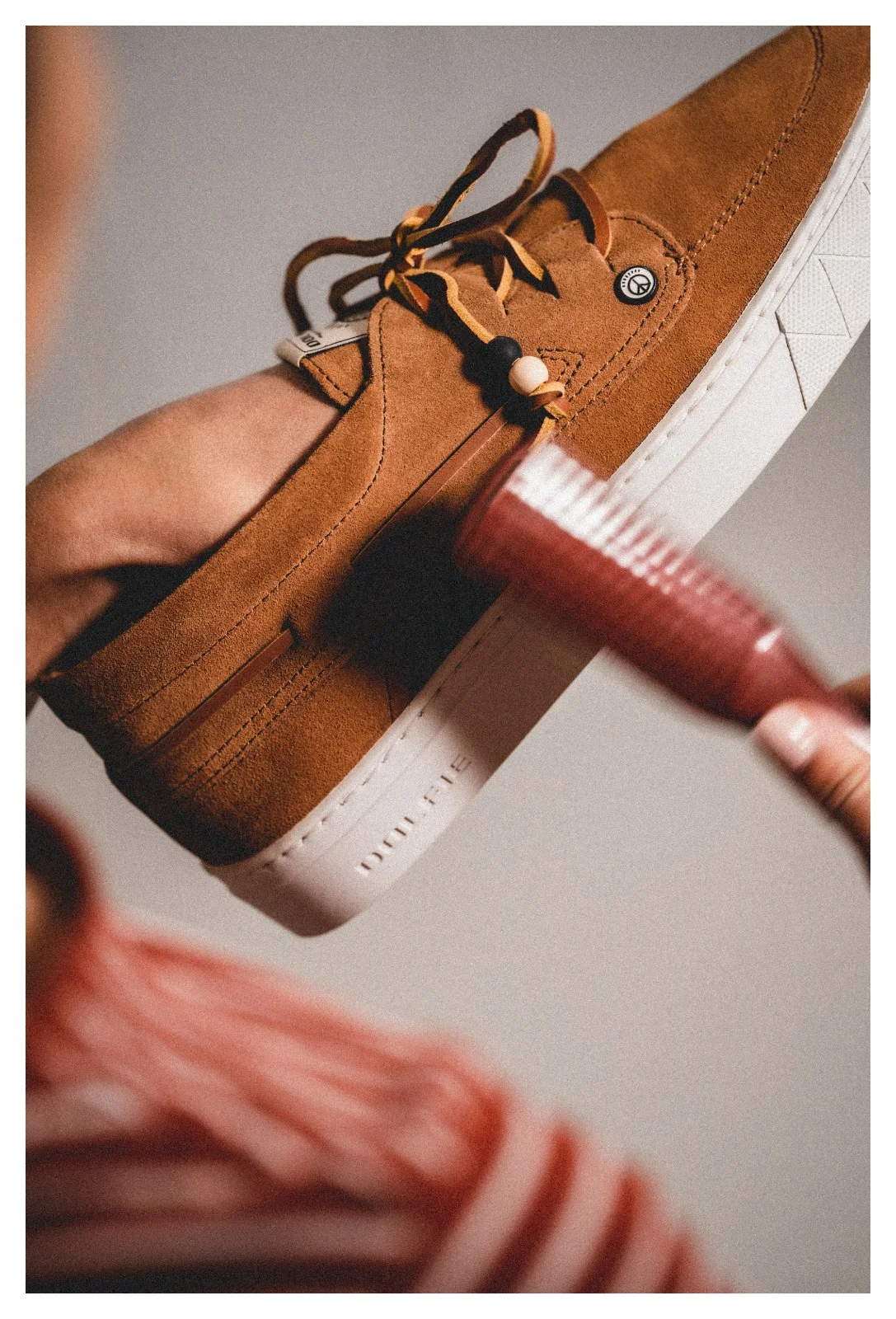
Before cleaning, allow any mud or moisture to dry completely. Then, use a soft brush specifically designed for suede or nubuck to remove dust and restore the material's natural texture. Brush gently and without applying too much pressure, following the direction of the fibers.
For minor marks or scuffs, use a suede eraser. For more stubborn stains, use a suede or nubuck cleaner and avoid soaking the material.
After cleaning, always allow to air dry away from direct heat sources. Once dry, gently brush again to restore the suede's finish.
Before first use and periodically thereafter, you can apply a protective spray suitable for suede and nubuck to help protect against moisture and stains. Always check that the product is compatible with the material and test it first on an inconspicuous area, as some protectors may slightly alter the color.
FABRIC CARE
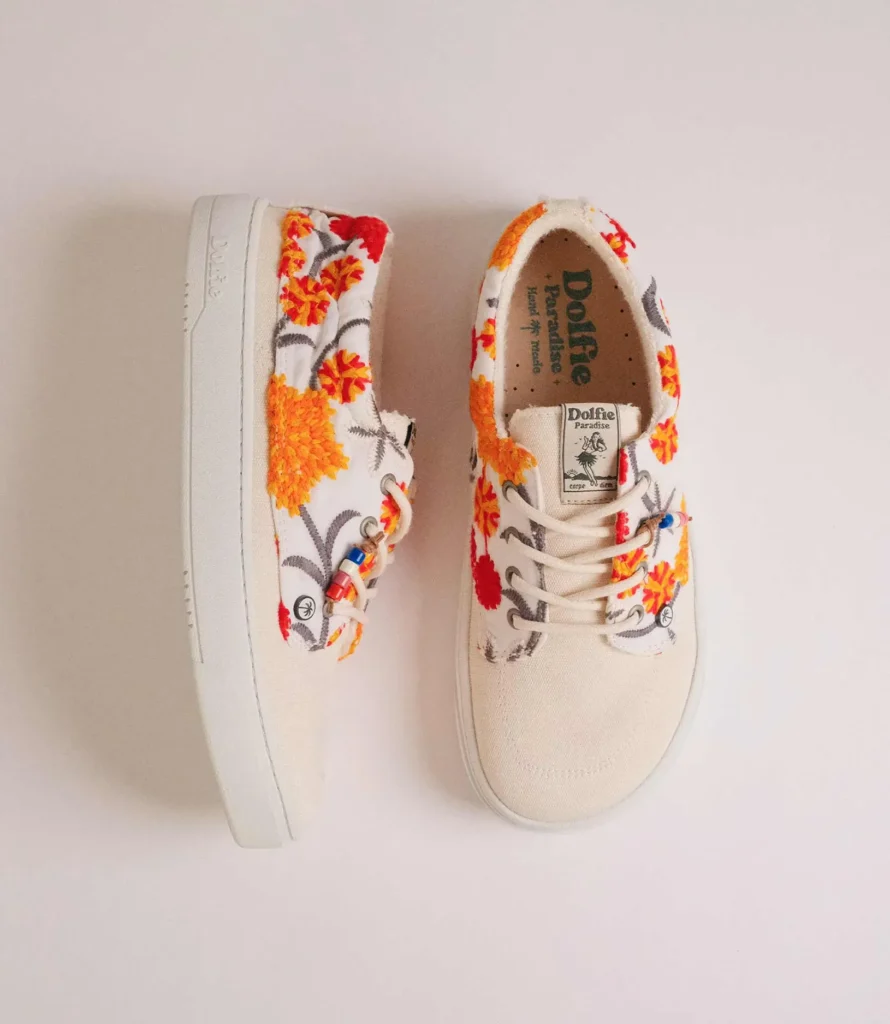
Fabrics can accumulate dust and dirt with use, especially in light colors. Gentle, spot cleaning is usually the best way to keep them in good condition without altering their texture or color.
Regular cleaning:
First, remove the laces and remove dust and surface dirt with a soft, dry brush. Pay special attention to the seams and areas where dirt may accumulate.
For stubborn stains and dirt,
use a soft cloth or a soft-bristled brush lightly dampened with water and a small amount of mild soap. Work the stain with gentle movements, avoiding rubbing hard or spreading the dirt to the rest of the fabric.
Remove any soap residue with a clean, slightly damp cloth. Avoid soaking the material, as many of our shoes combine fabrics with leather, suede, and other natural materials that require different care.
Drying:
Always allow to dry naturally, at room temperature and in a well-ventilated area. Do not use dryers, radiators, or other direct heat sources. Also avoid drying in direct sunlight, especially for colored fabrics, as this could alter the color.
If the inside has become damp, you can insert clean, absorbent paper to help remove the moisture and maintain its shape. Replace it if it becomes too damp.
Before using any product
, check that it is suitable for the type of fabric and test it first on a small, inconspicuous area. Some natural or dyed fabrics may show slight color variations after washing.
STAY IN SHAPE
Due to their flexible construction and the use of natural materials, these shoes may mold and show marks over time. To help maintain their shape, we recommend keeping the inner paper that comes with the shoes and replacing it when you're not wearing them.
If they get wet, gently refill them with clean, absorbent paper and let them air dry, away from direct heat sources.
Never wash your Dolfie in the washing machine or fully submerge them in water. Always use products suitable for each material and, if in doubt, test on an inconspicuous area first.